live streaming thelaptopadviser helps tech publishers reach viewers in real time. TheLaptopAdviser can show product tests, answer questions, and build trust. This guide explains why live streaming matters, what gear to buy, how to run a stream, and how to measure results. The tone stays practical and direct. Readers get clear steps to start broadcasting within days.
Key Takeaways
- Live streaming TheLaptopAdviser transforms static tech reviews into engaging, interactive sessions that boost viewer trust and increase affiliate click rates.
- Successful streams require a balanced technical setup including quality cameras, microphones, reliable capture devices, and stable wired internet connections for smooth broadcasts.
- Organize content into concise, well-structured segments like intros, demos, deep dives, and live Q&A to maintain viewer interest and encourage interaction.
- Monetize streams effectively by integrating affiliate links, sponsorships, and transparent communication while promoting content across multiple channels to maximize reach.
- Measure stream performance using key metrics such as live viewers, engagement, and click-through rates to continuously refine content and technical delivery for better results.
Why Live Streaming Matters For Tech Review Sites And TheLaptopAdviser Audience
Live streaming thelaptopadviser puts products in front of viewers as they watch. Viewers see real performance, ask live questions, and form faster opinions. TheLaptopAdviser can turn static reviews into interactive sessions that increase time on page and social shares. Live video also creates clips that the team can reuse on social platforms. Sponsors value live chat engagement because it signals active audiences. Publishers who use live streaming thelaptopadviser often report higher affiliate click rates and more repeat visitors.
Technical Setup: Hardware, Software, And Network Requirements
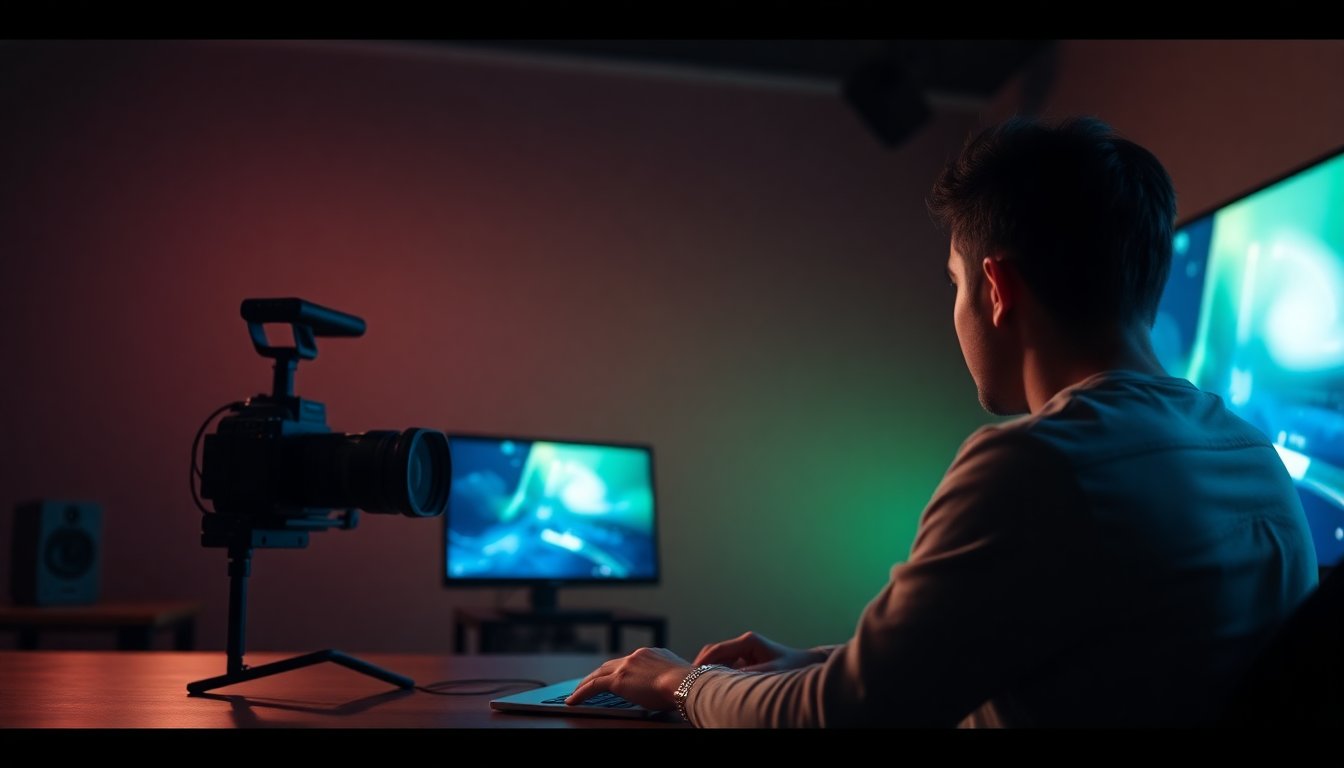
They select gear to match audience size and content type. Live streaming thelaptopadviser works with modest hardware for small streams and pro hardware for product stress tests. Core needs include a camera, microphone, capture device, encoder, and stable upload bandwidth. They check the internet upload speed before a stream. They choose wired Ethernet when latency matters.
They pick cameras by budget and detail needs. A high-quality webcam works for talk shows. A mirrorless camera gives better depth and low-light clarity for product close-ups. They use an external microphone to capture clear audio. USB mics suit solo streams. XLR mics suit multi-person setups with a mixer.
They use capture cards to bring console or device output into the stream. They use software encoders like OBS or Streamlabs when they need overlays and scene control. They choose hardware encoders when they need lower CPU load and high reliability. They test streams at the same time slots they plan to go live. They monitor CPU, GPU, and network during tests to avoid surprises.
Quick Live-Stream Setup Checklist (Cameras, Mics, Capture, OBS/Stream Deck)
Quick Live-Stream Setup Checklist (Cameras, Mics, Capture, OBS/Stream Deck)
- Camera: HD webcam or mirrorless camera with clean HDMI output.
- Microphone: USB condenser or XLR dynamic with interface.
- Capture: USB capture card for single device: PCIe for multi-source rigs.
- Encoder: OBS Studio or Streamlabs Desktop for scenes and overlays.
- Stream Deck: Optional for scene switching and hotkeys.
- Lighting: Two soft lights and a key fill for product shots.
- Network: 10-20 Mbps upload for 1080p60. Use wired Ethernet.
- Backup: Secondary device or mobile hotspot for failover.
- Test: Run a 20-minute full test before public streams.
Content Workflows And Best Practices For Product Demos, Reviews, And Q&A
They plan streams with clear goals and simple scripts. For product demos, they list features to show and prepare short tests that viewers can see live. For reviews, they state the test criteria up front and show repeatable benchmarks. For Q&A, they gather questions in advance and assign a moderator to filter chat.
They structure streams into segments. A typical stream starts with a 3-5 minute intro, a 20-30 minute demo or test, a 10-15 minute deep dive or comparison, and a 10-20 minute live Q&A. They keep segments short to keep attention.
They use on-screen graphics to show specs, scores, and affiliate links. They record streams locally to produce highlight clips and short social edits. They tag clips with clear titles and timestamps to help viewers find key moments.
They follow disclosure rules. They tell viewers when a product is sponsored or provided for review. They keep language direct and transparent. They avoid scripted praise: they show test results and let the audience judge.
They practice pacing. They speak clearly, pause between points, and check the chat for confusion. They encourage viewer interaction with prompts such as “ask about battery life” or “tell us which port you want tested.” They use polls and overlays to collect quick feedback.
Monetization, Promotion, And Measuring Success For TheLaptopAdviser Streams
They set monetization goals before a stream. Live streaming thelaptopadviser can earn via affiliate links, sponsorships, donations, and paid access. They place affiliate links in descriptions and pin them in chat. They agree with sponsors on deliverables and transparency terms.
They promote streams across channels. They post short teaser clips on social platforms and embed the stream on TheLaptopAdviser pages. They send email alerts and use scheduled posts to remind followers. They pick stream times that match audience activity data.
They measure success with clear KPIs. They track live viewers, average view duration, chat messages, and click-through rates on links. They compare affiliate conversion rates from stream traffic vs. article traffic. They use view retention graphs to find weak segments. They test different titles, thumbnails, and opening hooks and track which ones increase click rates.
They iterate on data. They keep what works and change what underperforms. They reuse top clips as short-form content to drive viewers back to full streams. They keep a calendar of topics and sponsors and balance audience value with revenue needs.
They document results after each stream. They record key metrics, notable audience feedback, and technical issues. They review the notes before planning the next stream to improve steadily.