
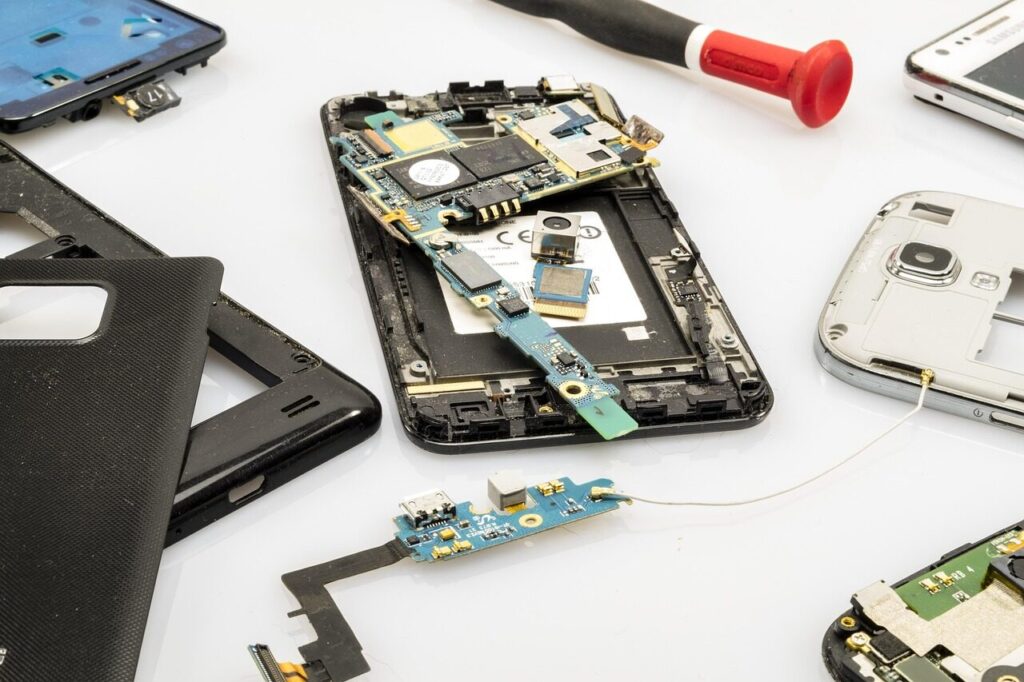
Want to repair a broken phone without getting scammed?
Millions of people have the same question every year. Something breaks on their phone. Whether it’s the screen or battery or just a simple malfunction…
They’re stuck wondering whether they should fix it themselves or pay someone else to do it.
It’s a simple question. But deciding between DIY versus professional repair can cost you more money, more time, or completely brick your device.
Don’t worry. By the time you finish this article, you’ll have the answer.
What you’re going to learn:
- Why Phone Repair is Important
- Pros and Cons of DIY Phone Repair
- When You Should Choose Professional Repair
- Smartphone Recycling Programs: Where They Fit In
Why Phone Repair Is Important
Let’s start with something…
Repairing phones is important. You’re not just fixing a malfunctioning device. You’re saving money, reducing waste, and keeping working phones out of landfills. But part of responsible phone ownership also includes understanding when a smartphone recycling program is the better option.
That being said, repairing phones should always be the first step. Whether you find a trusted cell phone repair calgary service online or your local repair shop down the street… Fixing your device is one of the best things you can do before considering adding to the growing e-waste mountain.
Consider this…
Allstate Protection Plans discovered that 78 million Americans damaged their smartphone in the last year alone.
That’s a lot of phones that will need repaired.
But wait, there’s more…
The same survey found that most people either ignore the damage done or replace the phone entirely. Either scenario is bad. Simple repairs or a responsible smartphone recycling program can save thousands of phones from landfills every day.
And that’s why this decision is important.
Pros and Cons of DIY Phone Repair
DIY phone repair is huge these days. YouTube is littered with tutorial videos. Replacement parts are cheap on Amazon. And companies even sell repair kits with all the tools you’ll need.
But should you?
Some issues are perfect for DIY repair. But there are risks involved with this choice. Many of which most beginners don’t consider.
Let’s weigh the pros and cons.
Benefits of DIY repair:
- Savings on costs. The parts to repair common issues like cracked screens are readily available for a fraction of what you’ll pay the professionals.
- Convenience. Do you really want to take your phone somewhere and wait? Doing things at your own pace is nice.
- Education. If you’re wondering how your phone works under the hood, DIY repairs can be fun.
Yeah, DIY repair has some awesome benefits.
But it also has its downsides.
Drawbacks of DIY repair:
- Ruining your warranty. Once you open up your phone, you’re probably voiding the manufacturer warranty. If anything else breaks, there’s no one to blame but yourself.
- Low-quality replacement parts. Cheap stuff doesn’t always last on Amazon. The screen you bought for half the price of your phone may only last half as long.
- Higher risk of damaging your phone. Drop your screwdriver. Pry too hard on a ribbon cable. Suddenly, your DIY screen replacement turns into a replacement motherboard.
DIY repair is great for cases and SIM card trays. Once you start poking around inside your phone, you’re taking a risk.
When You Should Choose Professional Repair
Phone repair exists for a reason.
Good repair shops employ trained professionals who know how to fix your device. They have the proper tools and replacement parts. They can diagnose and fix the issue on day one.
That’s why professional repair is the best choice for…
- Cracked screens and unresponsive touchscreens. Speaking of screens, this is one of the most common repairs phones need. Professional repair ensures the new screen will function properly.
- Battery degradation. Batteries lose their max charge capacity over time. Swapping out old batteries is one of those DIY projects that can cause serious harm if done incorrectly.
- Water damage. Did your phone take a swim? Water damage can affect every component of your device. Only a professional can properly diagnose what can be saved.
- Charging issues. For some reason, people think their phone won’t charge because the cable is broken. More often than not, it’s the charging port that’s worn out and needs replaced.
And the biggest benefit of professional phone repair?
Most repair shops offer warranties or guarantees on their services. If something goes wrong after they repair your phone, they’ll fix it again. Free of charge. That’s some peace of mind you just can’t put a price tag on.
Smartphone Recycling Programs: Where They Fit In
Here’s a fun fact most phone owners don’t think about…
Not every phone can be fixed. Whether the damage is too severe or the repair costs more than your device is worth, there comes a point where you have to consider other options.
This is where smartphone recycling programs become critical.
According to the UN Global E-waste Monitor, humans created 62 million tonnes of e-waste in 2022. Only 22% of that was recycled. The rest was dumped into landfills or unprotected dump sites. Toxic chemicals leached into the ground and contaminated our water.
That’s not good.
Phone recycling programs ensure your old devices aren’t sitting in a dump somewhere. Recyclers take phones and extract all of the valuable materials like gold, silver, copper, and so on. Not only does this reduce demand for newly mined materials, but it also safely disposes of harmful substances.
So before you toss out your old phone, consider…
- Asking your repair shop first. Most repair services have some sort of recycling program or partner with one.
- Manufacturer recycling programs. Larger brands like Apple, Samsung, and Google all have trade-in options that count as recycling.
- Local e-waste drop off locations. Many cities offer e-waste recycling collection events throughout the year.
Repair What You Can. Recycle What You Can’t.
Simple as that. Throwaway culture got us into this mess. It won’t be the solution.
The Bottom Line
So, which is better? DIY phone repair or professional repair services?
It all depends on how complicated the repair is and how much risk you’re willing to take on.
Tiny cosmetic issues are perfect for DIY repair. But once you start messing around with screens, batteries, water damage, or anything on the inside of your phone… You’re risking a lot by doing it yourself.
Bring it to a professional!
And when in doubt, remember that almost every phone can be recycled. If your device is too damaged to repair, find a recycling program to keep it out of landfills.
To review:
- DIY repairs are great for minor issues but come with risks when dealing with major repairs
- Professional repairs come with warranties, have quality parts, and trained technicians
- Smartphone recycling programs are your last best option to responsibly recycle your device
- Always repair first, and recycle second. Don’t just throw away your phone!