
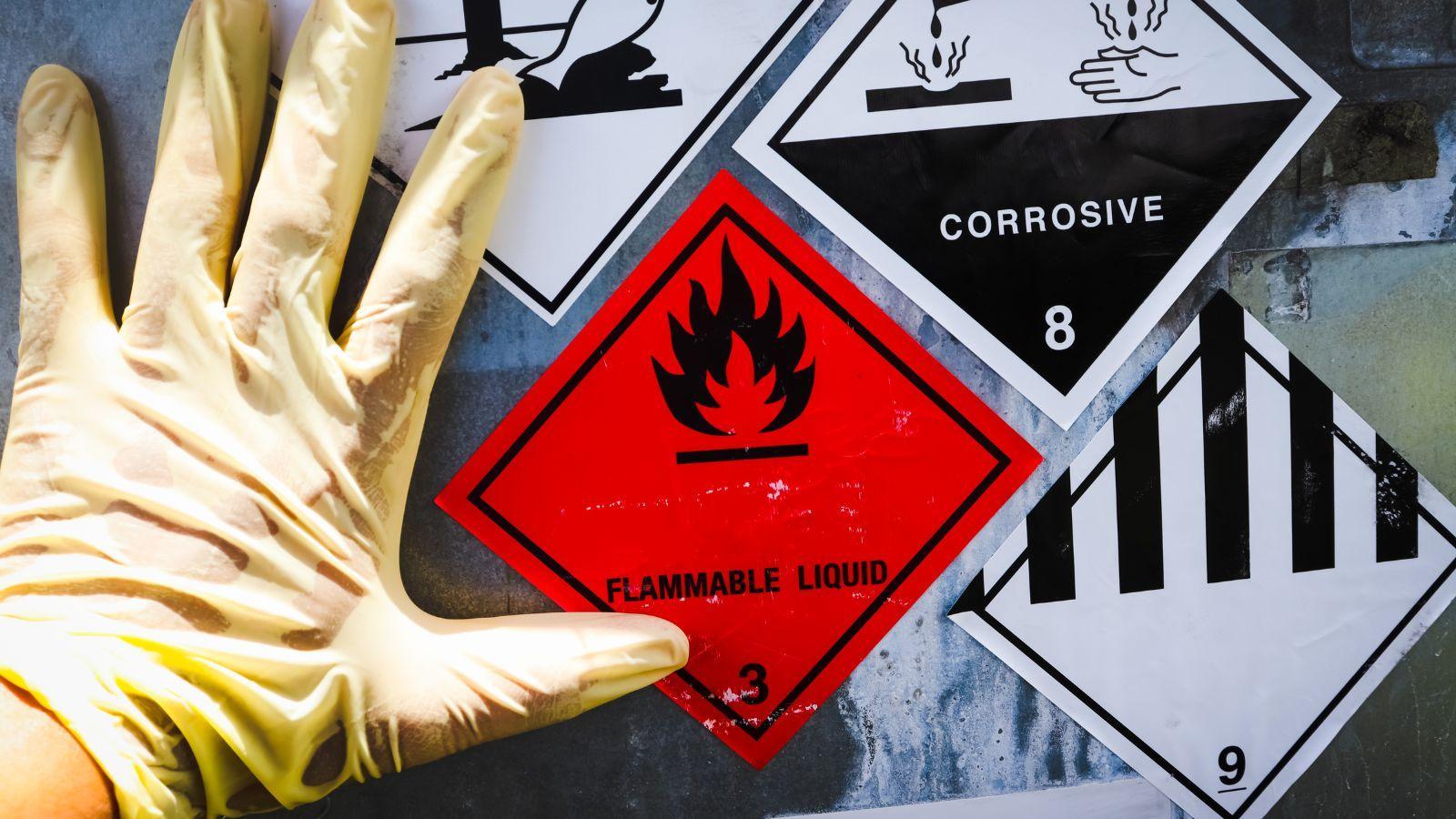
OSHA fines very rarely come from a single dramatic safety failure. Most of the time, they stem from small, quiet compliance gaps that build over time. In other words, you may be running a clean operation, responding to hazards when they arise, and genuinely prioritizing employee safety, yet still be exposed to citations you never saw coming. That’s because many OSHA violations come down to things like documentation, consistency, training records, and whether your systems have kept pace with how your workplace actually operates today.
As your business grows or shifts workflows, it becomes easier for those gaps to form. What once worked can quietly fall out of compliance. Understanding where businesses most often slip gives you the chance to correct issues before an inspection forces the conversation.
Here are a few common problem areas:
1. Poorly Documented Training
One of the most common OSHA citations involves employee training that technically occurred but cannot be verified. You might remember walking a new hire through equipment operation or reviewing safety procedures during onboarding. The problem arises when there’s no clear, retrievable record to prove it.
OSHA doesn’t accept “tribal knowledge” or verbal confirmation. Inspectors look for dates, names, topics covered, and proof that the training aligns with OSHA requirements. If your records are incomplete, outdated, or scattered across different systems, it can appear as though training never happened at all.
Forklift operation is a frequent example. Even experienced operators must be properly trained and evaluated under OSHA standards, and that training must be documented. Relying on prior experience or assuming certification from a previous employer transfers automatically is a common misstep. This is where services like CertifyMe.net help close the gap. They offer same-day OSHA-compliant forklift certification with instant proof of certification and free three-year renewals, making it easier to keep records current and accessible.
2. Outdated Hazard Communication Plans
Most businesses know they’re required to have a Hazard Communication (HazCom) program. Where many fall short is assuming that creating one at some point in the past is enough. In reality, your HazCom plan should evolve alongside your workplace.
If you’ve introduced new chemicals, changed vendors, added processes, or reorganized storage areas, your plan may no longer reflect what’s actually happening on the floor. Safety Data Sheets might be outdated, missing, or stored somewhere employees can’t easily access.
OSHA inspectors often ask employees basic questions during walkthroughs, such as where SDS documents are located or how to identify chemical hazards. When employees hesitate or give conflicting answers, it signals a breakdown in communication.
Regularly reviewing your HazCom program and confirming that it matches your current operations helps prevent this. It also reinforces that safety communication is an ongoing process.
3. Inconsistent Equipment Inspections
Many businesses perform equipment checks, but they do so informally. A quick glance at a machine before use may feel sufficient, but OSHA expects documented inspection routines for certain equipment.
Ladders, forklifts, powered tools, and other frequently used assets should each have clear inspection criteria and schedules. If inspections are happening but not recorded, or if they’re done inconsistently depending on who is working that day, it becomes difficult to demonstrate compliance.
Over time, informal practices lead to assumptions. Employees assume someone else already checked the equipment. Supervisors assume problems would be reported if they existed. OSHA, however, looks for a defined process that removes any chance for ambiguity.
4. Misaligned Safety Policies
Policies often look compliant on paper while failing in practice. You might have safety manuals, emergency procedures, and PPE requirements written years ago, but your workforce has changed. Maybe new roles have been added or responsibilities have shifted. Perhaps contract workers are now part of daily operations?
OSHA expects safety policies to be relevant and enforced. If employees are unaware of procedures or interpret them differently, inspectors may view the policy as ineffective. This becomes especially problematic when incident response plans or reporting procedures are unclear.
Do your best to regularly revisit your safety policies with fresh eyes, as this ensures they reflect how work is actually being done (not how it used to be done). Including employees in those reviews also improves understanding and buy-in, which OSHA views favorably.
5. Missing or Incomplete Recordkeeping
Recordkeeping violations are among the most frustrating because they often feel disconnected from safety outcomes. Logs like OSHA Form 300, injury reports, and incident investigations must be accurate and up to date. Even minor errors or omissions can result in citations.
Treat recordkeeping as part of your safety system rather than a separate administrative burden. Routine internal audits of your logs can reveal issues before OSHA does, which will keep you in the clear.
Staying Ahead of OSHA Requirements
The key to avoiding OSHA fines is to proactively think ahead. The most common violations come from assumptions that yesterday’s practices are still sufficient today. If you can tighten up in the right areas, it makes it easier to stay ahead rather than react after the fact. Good luck!