Apple waterfall keyboard prototype thelaptpadvisir surfaced in early 2026. The leak showed a new key shape and a stepped edge. Sources shared photos, videos, and short notes. The post sparked wide discussion among hardware writers and Mac users. This article summarizes what the prototype is, how it worked, and what the images implied for Apple laptops.
Key Takeaways
- The Apple waterfall keyboard prototype introduces a sloped key layout with a beveled front edge, improving typing ergonomics and visual continuity on MacBooks.
- This prototype features longer key travel, firmer and quieter typing feel, addressing issues of edge chattering and mispresses common in butterfly keyboards.
- Innovative design elements include a modified scissor hinge, layered polymer-aluminum materials, and a flexible film sensor that enhances reliability and reduces solder joints.
- Thelaptpadvisir leak provided credible evidence through photos, videos, and technical details, confirming the prototype’s advanced features and testing on alpha MacBook shells.
- Future Apple keyboards may adopt customizable actuation sensitivity and a steeper key profile, influencing both user experience and repair industry practices.
- Apple’s experimentation with the waterfall keyboard shows a strategic focus on physical keyboard improvements as a potential competitive advantage in upcoming MacBooks.
What The ‘Waterfall’ Keyboard Prototype Actually Is
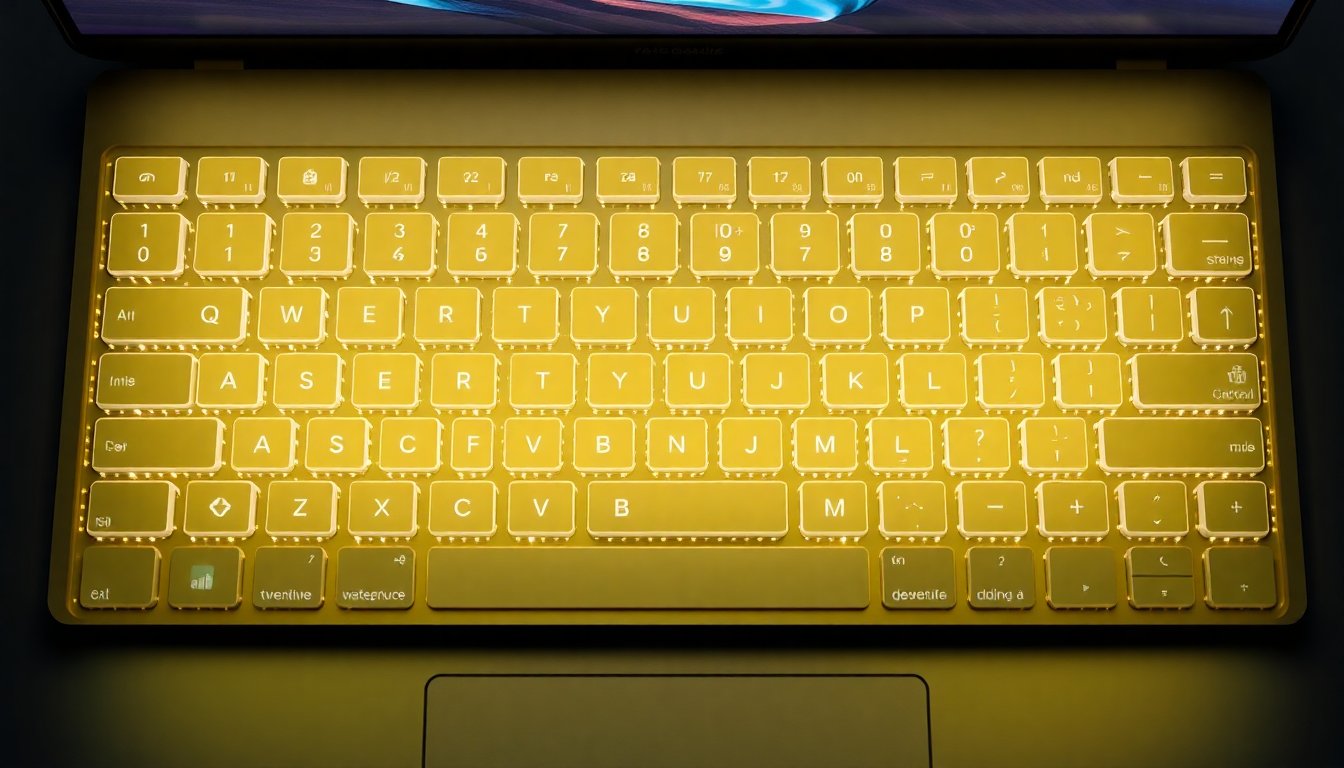
Apple waterfall keyboard prototype thelaptpadvisir refers to an experimental keyboard layout. Engineers placed keys on a sloped plane. The slope created a cascading edge that Apple called “waterfall” in internal notes. The prototype used a low-profile keycap and a wider stabilizer. Test units showed a longer key travel than current butterfly alternatives. Reviewers described the typing feel as firmer and quieter. The design aimed to reduce edge chattering and mispresses. Apple tested the layout on alpha MacBook shells. Photos from thelaptpadvisir showed a full keyboard, function row, and larger trackpad spacing. The leak included close-ups of the key cross-sections. Analysts compared the prototype to older scissor switches. The prototype kept scissor fundamentals but changed the top geometry. Developers wrote early firmware to adapt to a shifted actuation point. The prototype required different keycaps and case milling. Observers noted the design might increase chassis rigidity. The prototype suggested Apple explored typing ergonomics and visual continuity.
Design, Materials, And How The Waterfall Mechanism Works
Photos from thelaptpadvisir showed a layered keycap and modified scissor hinge. Apple used polymer blends for the cap and an aluminum plate for the mount. The cap featured a beveled front edge that extended past the key frame. The bevel created the “waterfall” silhouette when keys sat side by side. Mechanically, a shorter hinge arm changed the pivot axis. The change shifted the actuation toward the center of the key. A small foam pad reduced noise at the bottom out. Apple added a thin dampener under the plate to catch vibration. Engineers tuned spring force to keep travel shallow but consistent. The prototype used conductive traces on a flexible film for sensing. That layer allowed lower profile assembly and fewer solder joints. The film connected to a controller that sampled keystrokes at a higher rate. That sampling reduced debounce and improved rollover. In the images, screws and press-fit bosses showed simple service access. Observers noted that the materials likely increased cost. The prototype prioritized feel and reliability over cheap parts. Thelaptpadvisir images also hinted at a revised keyboard bezel. The new bezel matched the waterfall edge and reduced visible gaps.
ThelaptpadVisir Leak: Timeline, Evidence, And Key Images
Thelaptpadvisir posted the first images on a tech forum in February 2026. The post included 12 high-resolution photos and two short clips. Reporters traced the photos to an account tied to a former Apple contractor. Independent analysts examined EXIF data and found matching camera models across images. Thelaptpadvisir also shared a short video showing key travel under slow motion. The video captured the beveled edge and the dampening pad. Forum users pointed out consistent screw torque marks that matched other Apple prototypes. A teardown blogger matched the mounting pattern to known MacBook layouts. Apple did not comment on the leak. Several outlets published cautious takes and labeled the images “prototype level.” The I/O layout in images matched recent MacBook designs. That match increased credibility. Key images showed a labeled part number on the film sensor. Analysts used that number to find a supplier catalog listing. The supplier listed a custom film keypad with adjustable actuation points. Thelaptpadvisir later posted a follow-up with annotated close-ups. The follow-up included measurements and part callouts. The community reproduced the images into exploded diagrams. Some diagrams revealed tolerances and plate thickness. The weight of evidence convinced many that Apple built working prototypes.
Implications For Future Apple Keyboards And MacBook UX
The leak made analysts revise expectations for Apple keyboards. OEMs may adopt steeper key profiles to improve sight lines. Designers may use beveled edges to hide key gaps and create cleaner fronts. Apple may keep software controls for actuation sensitivity to match user preference. The prototype approach could let Apple tune feel per model. Repair shops may need new spares and training for the waterfall caps. Users may notice a firmer feel and reduced travel on future MacBooks. Some users may prefer the firmer response. Others may prefer older travel and might seek external keyboards. Apple may take parts of the design and drop others after testing. Thelaptpadvisir leak showed a credible path from prototype to product. The leak signaled that Apple experiments with physical keys as a competitive edge. Industry writers will watch shipping models to confirm which features survive.