
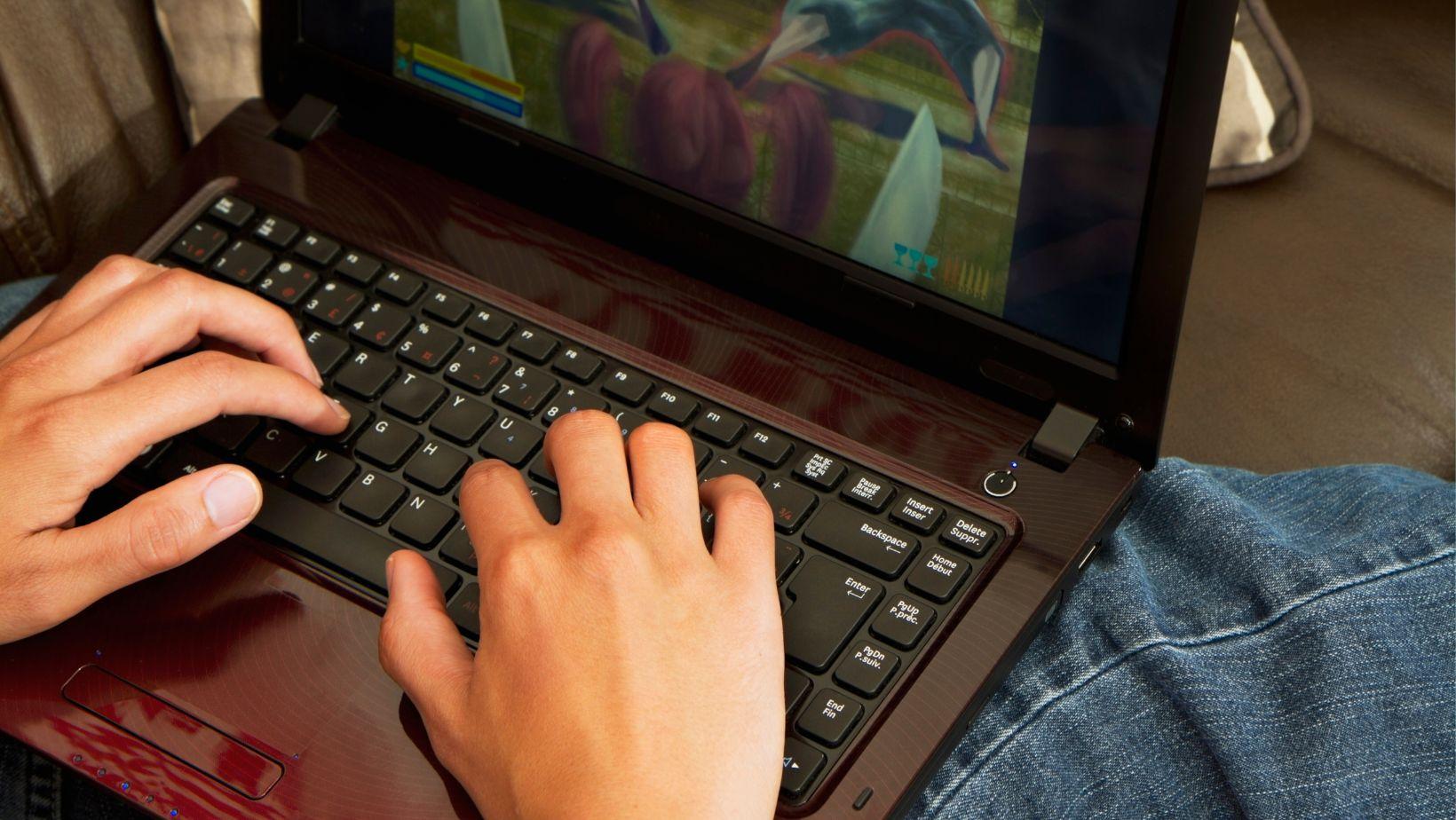
The laptop sitting on your desk does more than handle emails and stream films. For anyone who plays games, whether that means competitive shooters, slow-paced strategy titles, or a quick spin on a casino site, the machine itself shapes the experience. A well-chosen laptop can lift everything from frame rates to load times.
Plenty of players settle for whatever device they already own, then wonder why their sessions feel sluggish or visually flat. The truth is that gaming, in all its modern forms, places real demands on hardware. Matching the laptop to the kind of games you actually enjoy makes a noticeable difference.
This applies as much to casual browser-based play as it does to AAA releases. The right specs can transform how rewarding each session feels, opening up smoother graphics, faster responses, and access to features that lower-end machines simply cannot deliver. It is worth thinking carefully before settling on any old device.
What Matters in a Gaming Laptop
The headline specs to focus on are the processor, the graphics card, the RAM, and the display. A capable GPU is the single biggest factor for visual performance, especially in modern titles that lean on real-time lighting and high-resolution textures. Pair that with at least 16GB of RAM and a fast SSD for smooth multitasking and quick load times.
Screen quality matters more than many buyers realize. A high refresh rate panel makes fast-moving games feel responsive, while accurate colour reproduction adds polish to everything from open-world adventures to live casino streams. The difference between a 60Hz and a 144Hz display is immediately obvious once you have tried both.
Cooling and battery life round out the list of things worth checking. Powerful internals generate heat, and laptops without proper thermal design will throttle performance during longer sessions. A good balance between performance and sensible power management keeps the experience consistent.
Importance of Hardware
Different game types put different demands on a laptop. Competitive titles reward high frame rates and minimal input lag, while cinematic single-player games benefit from rich visuals and strong audio. The broader gaming landscape has expanded so much in recent years that one machine often has to handle everything from quick mobile-style sessions to graphically heavy releases, which makes versatility a genuine asset.
Strategy and simulation games lean heavily on the processor, since they manage huge amounts of background calculation. A weaker CPU shows itself through slow turns and laggy menus, no matter how good the graphics card might be. Matching the chip to the kind of games you play most often is sensible.
Streaming and content creation add another layer to the decision. Players who record gameplay or stream to an audience need extra headroom on both the CPU and the GPU. That is why dedicated gaming laptops tend to be specified with overhead in mind, not just minimum requirements.
Matching the Machine to Your Favourite Genres
Once you start thinking about the games you actually play, the spec decision becomes much easier. A first-person shooter player will prioritise refresh rate and input response, while someone who loves RPGs will care more about screen quality and storage space for huge install sizes. Neither player needs the same machine, even though both are gamers in the same broad sense.
Open-world adventures and MMOs sit somewhere in the middle, asking for a solid GPU, plenty of RAM, and reliable cooling for the long sessions these games encourage. Indie titles and retro libraries are far more forgiving, often running comfortably on modest hardware. The point is that there is no single perfect laptop, only one that fits your habits.
Casual and browser-based formats deserve the same consideration, even though people often overlook them. Mobile-style puzzle games, online card rooms, and modern casino slot titles have come a long way visually, with cinematic intros and high-frame-rate animations that benefit from a capable display. A player checking a casino bonus offer while running a live game in another tab needs the same multitasking headroom as someone alt-tabbing between Discord and a strategy session. The underlying demands are surprisingly similar. Besides, why would you want to hinder your online casino experience and potentially ruin your use of a casino bonus by having a laggy, poor visual gaming experience because your old laptop can’t run the casino software correctly? This isn’t the year 2000 anymore, casino games are way more technical and require better hardware than ever before, they now offer in-depth gameplay.
Live streaming content, whether it is a Twitch broadcast or a live dealer table, pushes the network and the GPU at the same time. Stutters and dropped frames hurt the experience whether you are watching a championship match or following a live game show. A laptop with strong wireless performance and a modern graphics chip handles both equally well.
The lesson across all of these genres is the same. Hardware that feels comfortable for one type of play tends to handle the rest with ease, while a machine chosen on price alone often disappoints across the board. Spending a little time thinking about your actual library pays off in every session that follows.
Picking a Machine That Fits How You Actually Play
Not every player needs a high-end gaming rig. Someone who mostly plays slots and the occasional indie title will be perfectly served by a mid-range laptop with integrated graphics and a sharp display. Browsing laptop reviews is the best way to narrow down the options, since the right model depends heavily on budget, screen preference, and the specific games being played.
Anyone leaning toward competitive multiplayer titles or graphically demanding releases should aim higher. A dedicated graphics card, at least 16GB of RAM, and a 144Hz display make a real difference in those scenarios. Spending a little more upfront often saves money later, since the laptop stays relevant for longer.
Portability is worth weighing too. A thin and light gaming laptop trades some raw power for the ability to play almost anywhere, which suits players who travel or move between rooms. Bulkier models offer more performance but tie you to a desk for serious sessions.
Choose Your Set Up Wisely!
The laptop you choose quietly shapes every gaming session you have, from the smoothness of the visuals to the responsiveness of the controls. That holds true whether you spend your time in massive open worlds, fast-paced shooters, or casual casino spins. Investing time in the decision tends to pay off across the lifespan of the machine.
A capable laptop turns promotional offers, bonus rounds, and live streams into the polished experience they were designed to be, just as it brings out the best in any other genre you might play. The wrong device dulls all of it equally. Hardware quality is the great leveller across modern gaming.
Taking a moment to match the laptop to your actual habits, rather than buying on impulse or sticking with an aging machine, transforms how rewarding the whole hobby feels. The right hardware really can act as a bonus in itself, quietly improving every kind of game you choose to play.